Frontline vs Non-Frontline Security Careers: Key Differences You Need to Know
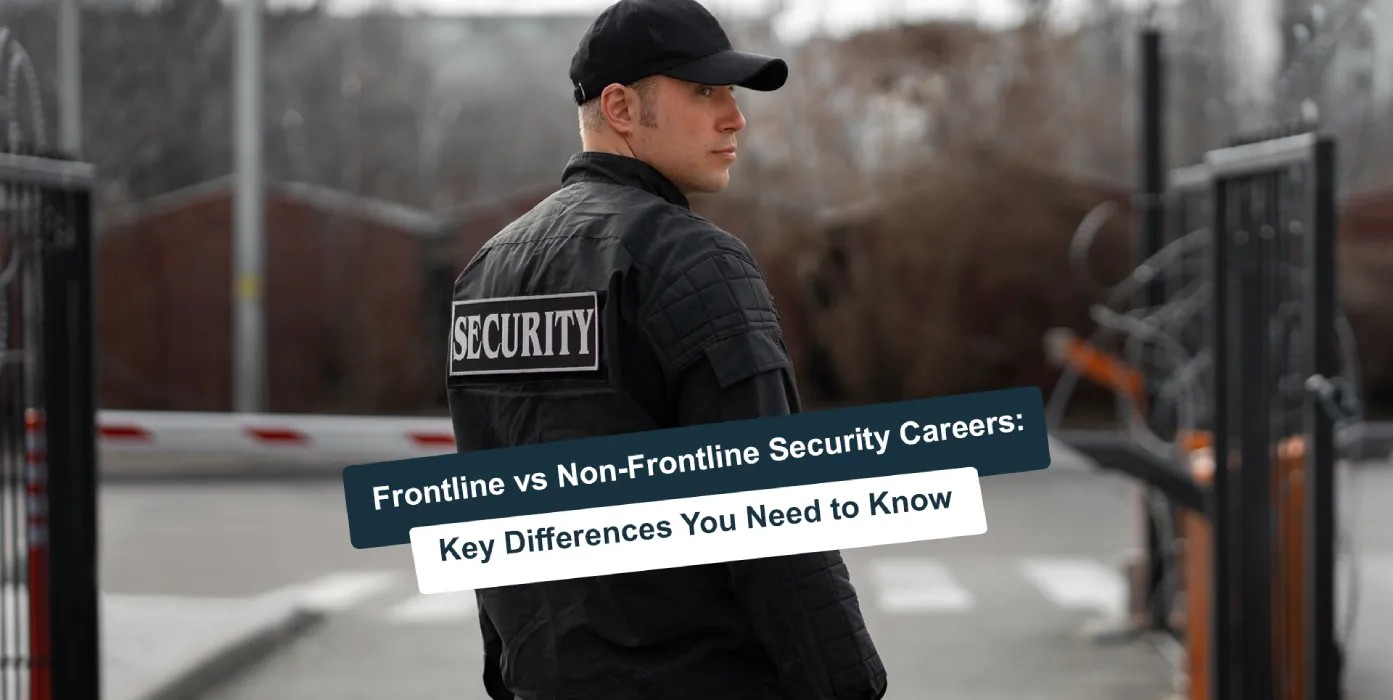
Frontline vs non frontline security is the split the SIA licence system is built on. Frontline roles need a licence and put you in front of the public; non frontline roles manage, supervise or support them. This guide compares the two careers, the qualifications each needs and how people move between them.
The security industry offers diverse career opportunities, but one of the most important distinctions is between Frontline vs Non-Frontline Security Careers. If you’re considering a career in security, it’s essential to understand these two paths, their responsibilities, required skills, and career prospects.
This guide will help you explore the key differences between Frontline vs Non-Frontline Security Careers, enabling you to make an informed decision about which path aligns with your goals.
What Is a Frontline Security Career?
Frontline security roles require direct interaction with the public, clients, or security threats. These professionals are positioned in high-visibility areas, responsible for preventing, deterring, and responding to security incidents in real time.
Common Frontline Security Roles
, Security Guards. Monitor premises, manage access control, and oversee surveillance systems. **, ** Door Supervisors. Regulate entry to venues such as nightclubs, events, and bars. , Close Protection Officers (Bodyguards): Provide personal security for VIPs, celebrities, and executives. , Event Security Personnel: Maintain order and safety at concerts, festivals, and sporting events. , Retail Security Officers: Prevent theft and ensure safety in shopping centers and retail stores.
Key Responsibilities of Frontline Security Officers:. Conducting patrols to deter suspicious activity. Monitoring CCTV and security systems. Responding swiftly to alarms, threats, or emergencies. Performing ID checks and controlling access points. Coordinating with law enforcement and emergency services. Managing crowds in high-risk situations.
Frontline security professionals must remain calm under pressure, communicate effectively, and act decisively in critical situations.
What Is a Non-Frontline Security Career?
Non-frontline security roles focus on behind-the-scenes security management, ensuring that policies, strategies, and systems are in place to prevent risks and vulnerabilities.
Common Non-Frontline Security Roles
**, ** Security Analysts: Evaluate threats and recommend security measures for businesses. **, ** Cybersecurity Specialists: Protect digital assets from hacking, malware, and cyberattacks. **, ** Security Consultants: Advise organizations on enhancing security frameworks. **, ** Risk Managers: Identify potential security risks and create mitigation plans. **, ** Security System Installers & Technicians. Set up and maintain security equipment, including alarms and CCTV systems.
Key Responsibilities of Non-Frontline Security Professionals:. Conducting risk assessments and security audits. Analyzing threats, including cyber and physical security risks. Developing and implementing security strategies. Training personnel on security best practices. Managing security budgets and operational resources. Collaborating with law enforcement and corporate executives.
Non-frontline security careers are ideal for individuals who prefer analytical, strategic, or technical roles without direct physical engagement.
Frontline vs Non-Frontline Security Careers: Key Differences
| Feature | Frontline Security | Non-Frontline Security |
|---|---|---|
| Nature of Work | Direct engagement with security risks and the public. | Analytical, advisory, and technical responsibilities. |
| Work Environment | On-site, high-traffic areas, corporate buildings, events. | Office-based, remote work, or site visits. |
| Required Skills | Physical fitness, situational awareness, crisis management, conflict resolution. | Analytical thinking, cybersecurity expertise, risk assessment, security planning. |
| Risk Level | High: dealing with real-time threats and emergencies. | Low to moderate, managing risks from a strategic level. |
| Career Progression | Supervisor, security manager, specialist roles (e.g., close protection). | Security consultant, chief security officer (CSO), cybersecurity expert. |
| Training & Qualifications | SIA licence (UK), first aid, conflict management training. | Degrees in cybersecurity, criminology, or security management. |
Which Career Path Is Right for You?
Your choice between frontline and non-frontline security careers depends on your personal strengths, interests, and long-term career objectives.
Consider a Frontline Security Role If:. If you enjoy active, hands-on work and interacting with people, a frontline security role may be a great fit. Staying calm and thinking clearly under pressure is essential in this field. Strong observational skills and keen attention to detail are crucial for success. Physical fitness and the ability to handle confrontations confidently are necessary., For those seeking an entry-level security job with quick hiring opportunities, this path offers a solid start.
Consider a Non-Frontline Security Role If:. If you prefer analytical, technical, or strategic work, a non-frontline security career may be ideal. An interest in cybersecurity, risk management, or security consulting can open doors to specialized roles. Those who enjoy office-based positions or corporate security management may find this path more suitable. Investing in advanced certifications or degrees can enhance career prospects in this field., For individuals seeking long-term growth and high-paying opportunities, non-frontline security offers a promising future.
Both paths provide job security, career advancement, and the opportunity to make a real impact on public and corporate safety.
Job Demand & Salary Expectations
The demand for security professionals continues to grow due to increasing global security concerns.
Frontline Security Salary (UK Averages)
, Security Guard: £20,000 to £30,000 per year. , Door Supervisor: £25,000 to £35,000 per year. , Close Protection Officer: £40,000 to £100,000 per year (varies by experience and employer).
Non-Frontline Security Salary (UK Averages)
, Security Analyst: £30,000 to £50,000 per year. , Cybersecurity Specialist: £40,000 to £80,000 per year. , Security Consultant: £50,000 to £100,000+ per year.
Non-frontline security roles, particularly in cybersecurity and consultancy, tend to offer higher salaries due to increasing demand for digital security expertise.
Conclusion
Both frontline and non-frontline security careers are vital in ensuring safety, whether through direct protection or strategic security planning.
-
If you enjoy a dynamic, action-oriented role and working with people, frontline security might be the right fit.
-
If you prefer analyzing risks, creating security policies, or working with technology, a non-frontline career may be a better option.
Regardless of your choice, the security industry offers stability, career growth, and the opportunity to make a meaningful difference.
Ready to Start Your Security Career?
If you’re considering a career in security, obtaining the right training, certifications, and qualifications will enhance your job prospects. Whether you pursue a frontline or non-frontline role, investing in your professional development can open doors to exciting opportunities.
Do you have experience in the security industry? Share your thoughts in the comments below!