Maintaining Patient Confidentiality During Security Incidents
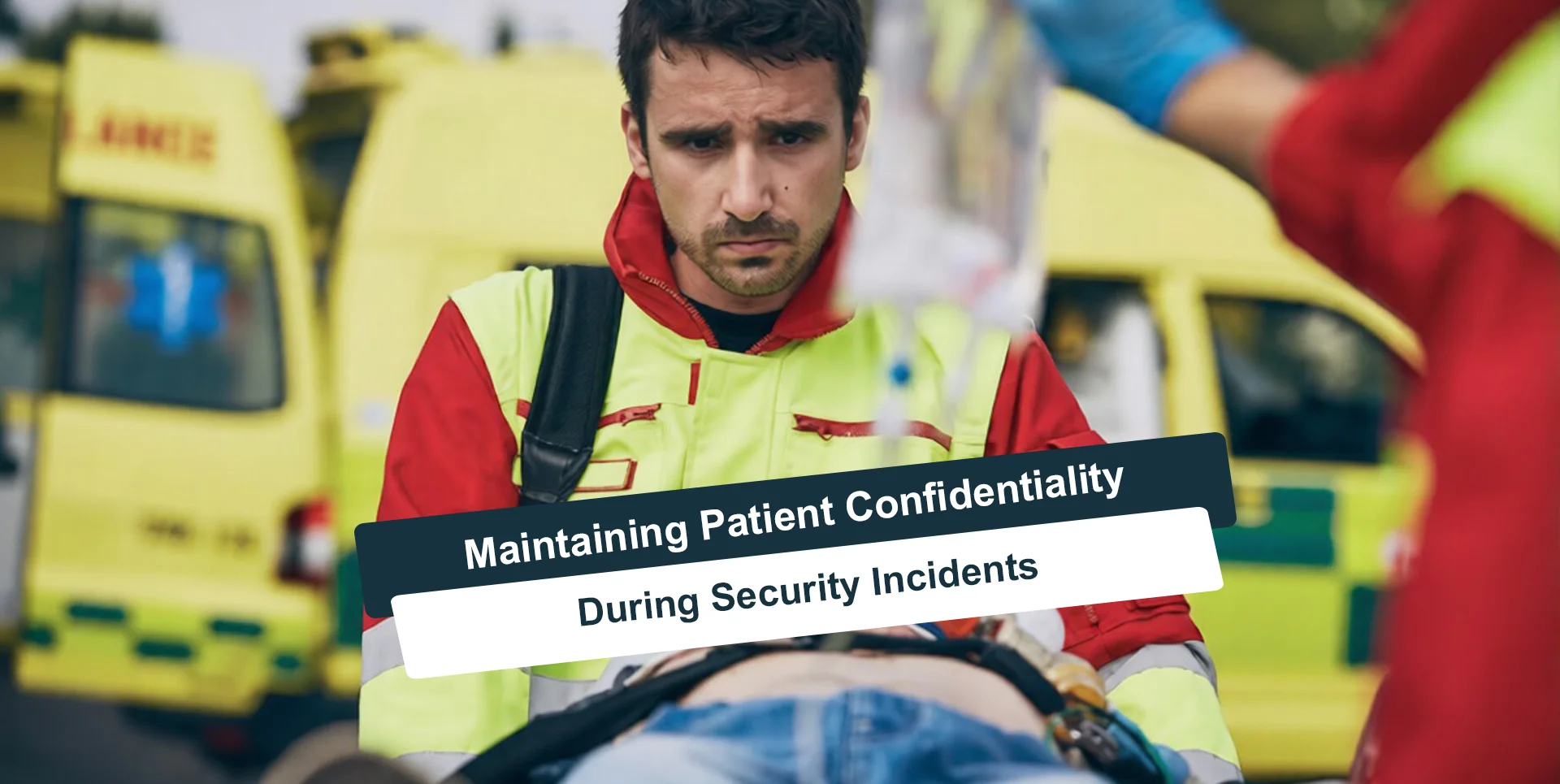
Patient confidentiality in security incidents is where hospital security meets data protection. An officer who restrains, searches or removes someone in a hospital learns things about patients that cannot be repeated. This guide explains what you can say, to whom, and how to record an incident without breaching confidentiality.
Maintaining Patient Confidentiality During Security Incidents
In healthcare, Maintaining Patient Confidentiality During Security Incidents is crucial. Patient confidentiality is the cornerstone of trust between healthcare providers and patients. It ensures that patients feel secure sharing sensitive medical information with their doctors, knowing that their privacy will be respected. However, when a security incident occurs, maintaining this confidentiality can be challenging. Security personnel and healthcare professionals must navigate the delicate balance of ensuring safety while upholding patient privacy.
The Importance of Patient Confidentiality in Healthcare
Maintaining Patient Confidentiality During Security Incidents is not just a legal obligation but a moral responsibility. The Data Protection Act 2018 and GDPR set strict guidelines on how healthcare providers must handle patient data, emphasizing that confidentiality must always be preserved. Breaching this trust can lead to legal repercussions and harm the relationship between healthcare providers and their patients.
When healthcare workers and security personnel are faced with an emergency or security incident, they must act quickly to protect everyone involved. However, even in the most chaotic moments, Maintaining Patient Confidentiality During Security Incidents must remain a priority.
What Happens During Security Incidents?
In healthcare facilities, security incidents can vary from violent outbursts to terrorist threats or medical emergencies. Regardless of the situation, swift action is necessary to protect patients, staff, and visitors. However, during these incidents, healthcare professionals and security teams must also be vigilant about patient confidentiality. Patient data can be inadvertently exposed if proper precautions aren’t followed, and sensitive information could be shared with unauthorized individuals.
For instance:
- A hospital room might be accessed by security during an emergency, potentially exposing personal patient details.
- Emergency responders may need to access patient information quickly, but sharing too much could violate confidentiality agreements.
Maintaining Patient Confidentiality During Security Incidents requires careful planning and adherence to privacy protocols to minimize these risks.
Maintaining Patient Confidentiality During Crisis Situations
In the midst of a security incident, Maintaining Patient Confidentiality During Security Incidents can be difficult, but it’s not impossible. Security professionals and healthcare staff must adhere to specific guidelines to protect patient information while responding to the situation.
1. Secure Patient Information
Patient records, both physical and digital, must be secured at all times. Ensuring that files are locked away and electronic systems are properly logged out can prevent unauthorized access.
2. Limit Information Sharing
Only share patient details when absolutely necessary. If the information must be shared with law enforcement or emergency responders, ensure that it is done legally and ethically, with only the most relevant details being disclosed.
3. Clear Communication Protocols
Establish clear protocols on who can share patient data and what can be shared in an emergency. Every healthcare professional should be well-versed in these protocols to ensure confidentiality is upheld.
4. Utilizing Technology
Technologies like access control systemsand encrypted digital files are valuable tools in Maintaining Patient Confidentiality During Security Incidents. These technologies can prevent unauthorized access and ensure that data is protected, even during emergencies.
5. Security Training
Security staff must receive regular training not only in emergency response but also in respecting patient confidentiality. Training like Hotel Security Patrol Operations and Guest Interaction Training can help security professionals understand how to handle sensitive situations while maintaining confidentiality.
Best Practices for Healthcare Professionals and Security Teams
The key to Maintaining Patient Confidentiality During Security Incidents lies in following best practices that all involved personnel should be trained on:
- Regular Training: Continuous training for healthcare professionals and security teams is essential. This ensures they understand the importance of confidentiality and know what to do in case of an emergency.
- Respect Boundaries: Security personnel must respect the boundaries set by healthcare staff. For example, access to private areas should be limited, and patient interaction must be handled with care to avoid breaching confidentiality.
- Continuous Risk Assessment: Healthcare providers and security staff must continuously assess the level of risk to patient data. As the situation evolves, they should be prepared to adjust their actions to protect patient confidentiality at all times.
- Preparedness: Healthcare facilities should have comprehensive emergency response plans that include strategies for Maintaining Patient Confidentiality During Security Incidents. These plans should cover data protection, evacuation procedures, and patient information handling.
For those looking to improve their response to security incidents, taking courses such as Emergency Response and Fire Safety in Hospitality is an excellent way to develop the skills needed to manage both safety and confidentiality in crisis situations.
Legal Requirements and Responsibilities
Legal requirements surrounding Maintaining Patient Confidentiality During Security Incidents are outlined under the Data Protection Act 2018 and GDPR. These laws stipulate that patient data must be processed securely and only shared with authorized parties under specific conditions. During a security incident, healthcare providers must:
- Ensure that patient information is shared only when necessary and in compliance with data protection laws.
- Maintain strict access controls to patient data to prevent unauthorized personnel from accessing sensitive information.
Failure to comply with these regulations can result in severe legal consequences, including fines and reputational damage. Therefore, healthcare professionals and security teams must be fully aware of their responsibilities when Maintaining Patient Confidentiality During Security Incidents.
Technological Tools to Aid in Maintaining Confidentiality
In today’s digital world, technology plays a crucial role in Maintaining Patient Confidentiality During Security Incidents. Healthcare facilities can invest in systems that ensure patient data remains secure even during emergencies. These include:
- Encrypted Electronic Health Records (EHRs): These systems ensure that even if patient data is intercepted, it remains unreadable to unauthorized individuals.
- Access Control Systems: These systems can prevent unauthorized individuals from accessing patient information during high-risk events.
- Data Encryption: Encrypting sensitive patient data ensures that it remains protected even if accessed during a security breach.
Implementing these technologies helps healthcare providers adhere to the principles of confidentiality while still managing security incidents effectively.