How Security Officers Can Respond to Verbal Abuse with Confidence
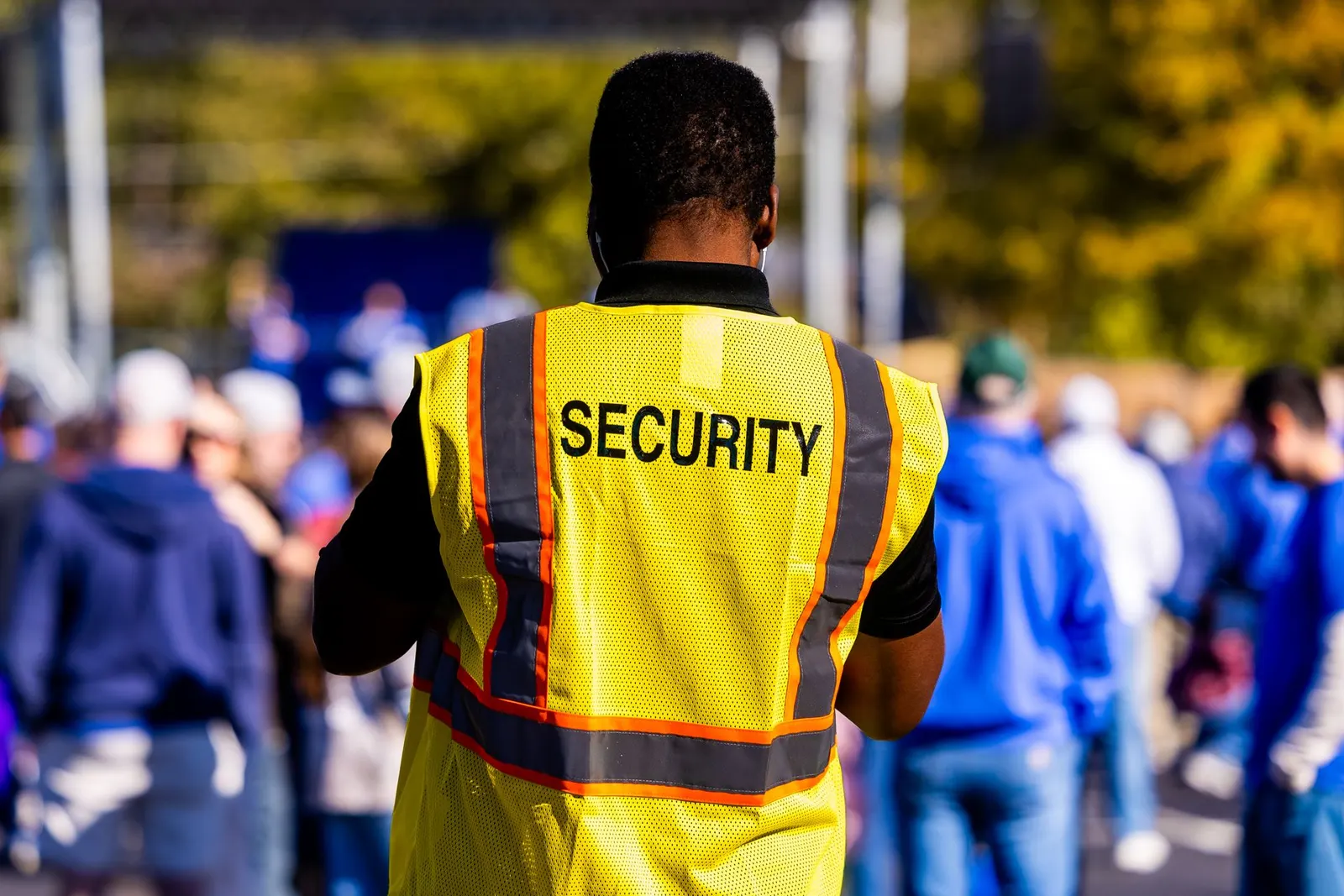
Verbal abuse is something every security officer meets, on a door, in a shop or at a reception desk. Responding well is a skill: staying calm, not taking the bait, de-escalating where you can and knowing when words have become a threat. This guide sets out how security officers handle verbal abuse with confidence.
In the realm of security, dealing with verbal abuse is a challenge that security officers frequently face. Whether it’s during a routine patrol or an intense situation, responding to verbal abuse effectively is crucial for maintaining control and ensuring safety. This blog will explore practical strategies that security officers can use to respond to verbal abuse with confidence and professionalism.
Understanding Verbal Abuse
Verbal abuse involves hostile, aggressive, or derogatory language directed at individuals. For security officers, this can come from unruly individuals, disgruntled patrons, or anyone in a high-stress environment. Recognising and managing verbal abuse is vital for de-escalating situations and preventing them from escalating into physical confrontations.
Book a course
Train for this work: Door Supervisor course
Next start Mon 16 Nov£100 deposit to book
The licence for pubs, clubs, events and guarding, with Emergency First Aid included.
- Book Mon 16 Nov to Sun 22 Nov 2026 at Stratford, E15 1XH
Mon 16 Nov to Sun 22 Nov 2026
Stratford, E15 1XH
£100 deposit · £330 total
- Book Mon 16 Nov to Sat 21 Nov 2026 at Bethnal Green, E2 9QW
Mon 16 Nov to Sat 21 Nov 2026
Bethnal Green, E2 9QW
£100 deposit · £350 total
- Book Mon 16 Nov to Sat 21 Nov 2026 at Forest Gate, E7 9HZ
Mon 16 Nov to Sat 21 Nov 2026
Forest Gate, E7 9HZ
£100 deposit · £350 total
1. Stay Calm and Composed
The first and most important step in responding to verbal abuse is to remain calm and composed. Your ability to stay calm can prevent the situation from escalating and helps maintain control. Take deep breaths, keep your voice steady, and avoid reacting emotionally to the abuse.
Techniques for Staying Calm:
- Focus on your breathing: Deep, controlled breaths can help manage stress and maintain a calm demeanour.
- Maintain a neutral stance: Avoid crossing your arms or displaying defensive body language.
- Use a calm tone: Responding with a steady and calm voice can help de-escalate the situation.
2. Set Clear Boundaries
Clearly setting boundaries is essential when dealing with verbal abuse. Make it known that aggressive or derogatory language is unacceptable. Establishing these boundaries early on can deter further abusive behaviour and assert your authority.
How to Set Boundaries:
- Use assertive language: Clearly state that the behaviour is unacceptable, for example, “I need you to speak to me respectfully.”
- Maintain professionalism: Avoid engaging in a verbal argument. Stick to setting boundaries and redirecting the conversation.
3. Use Active Listening Skills
Active listening involves fully concentrating on what the other person is saying, rather than just passively hearing their words. This technique can help you understand the root cause of their frustration and respond more effectively.
Active Listening Techniques:
- Paraphrase their concerns: Show understanding by repeating back what they’ve said in your own words.
- Ask clarifying questions: Use questions to gain more insight and show that you are attentive.
4. De-Escalate the Situation
De-escalation techniques are crucial in preventing verbal abuse from turning into a physical altercation. By employing these techniques, you can defuse tension and resolve conflicts more effectively.
De-Escalation Strategies:
- Use calming language: Phrases like “Let’s work this out together” can help ease the situation.
- Offer solutions: If appropriate, provide options for resolving the issue or redirecting the conversation.
5. Seek Support When Needed
In situations where verbal abuse becomes overwhelming or persistent, seeking support is essential. This could involve calling for backup, reporting the incident to supervisors, or using conflict resolution resources.
Support Options:
- Contact a supervisor: Inform your supervisor about the incident and seek guidance if needed.
- Use conflict resolution resources: Engage with professional resources or training programmes designed to handle such situations.
6. Document the Incident
Proper documentation of verbal abuse incidents is vital for future reference and potential legal actions. Keeping detailed records helps in tracking patterns of abuse and provides evidence if required.
Documentation Tips:
- Record details: Note the date, time, and nature of the verbal abuse.
- Include witness statements: If there are any witnesses, obtain their statements for a comprehensive record.
Conclusion
Responding to verbal abuse with confidence requires a combination of calmness, assertiveness, and effective communication skills. By employing these strategies, security officers can manage challenging situations more effectively and maintain a safe environment. Regular training and practice in these techniques can enhance an officer’s ability to handle verbal abuse professionally and confidently.
For security officers seeking to build these essential skills, SIA courses offer comprehensive training in conflict resolution and professional conduct. These courses are designed to prepare officers for real-world scenarios and ensure they are well-equipped to handle any situation with confidence.