Epilepsy Basics for Security Officers: Key Insights and Tips
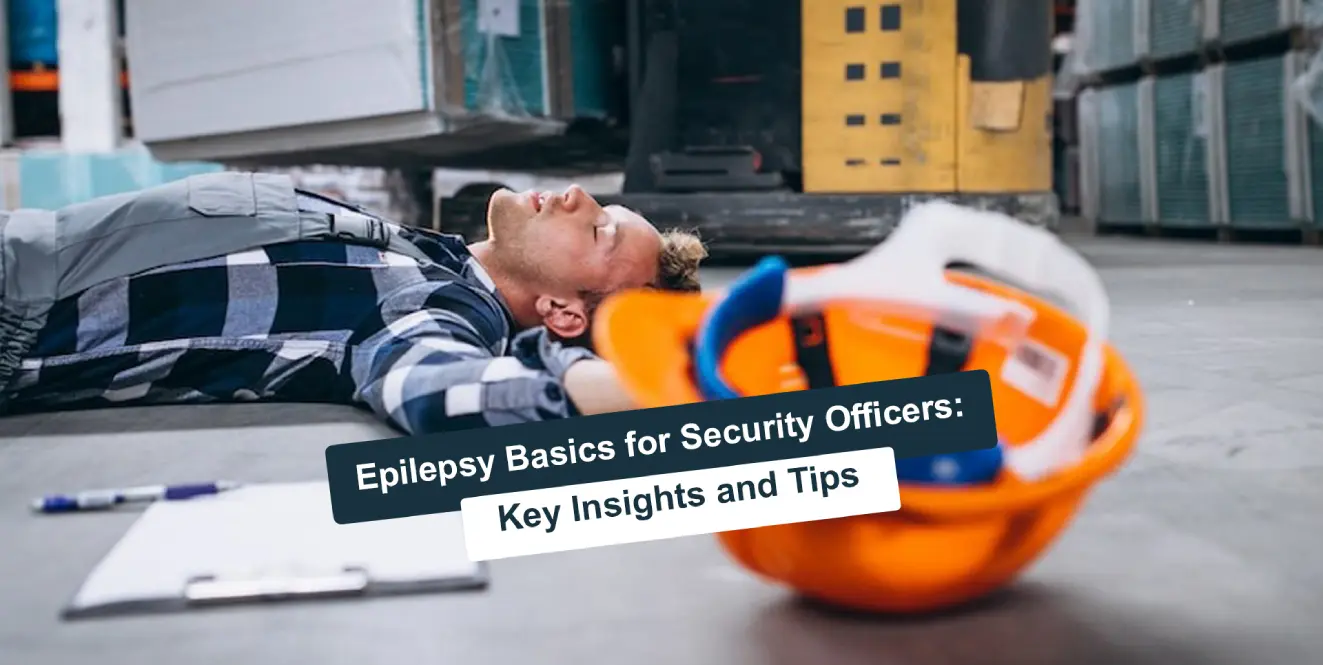
Epilepsy for security officers is a practical subject: a seizure in a venue, a shop or a reception area is something you will deal with, and the right response is simple once you know it. This guide covers what a seizure looks like, what to do and what not to do, and when to call an ambulance.
In the field of security, it’s essential for officers to be prepared for a range of medical emergencies, including epilepsy. Understanding epilepsy basics for security and knowing how to respond appropriately can make a significant difference in ensuring the safety and well-being of individuals experiencing seizures. This blog provides key insights and tips on managing epilepsy basics for security officers.
What is Epilepsy?
Epilepsy is a neurological disorder characterized by recurrent seizures. These seizures occur due to abnormal electrical activity in the brain, which can lead to various symptoms, including loss of consciousness, muscle spasms, and involuntary movements. It is crucial for security officers to recognize the signs of a seizure and know how to respond effectively.
Recognizing Seizures
Security officers should be aware of the different types of seizures and their symptoms. Common types include:
- Generalized Tonic-Clonic Seizures: Characterized by sudden loss of consciousness, muscle rigidity, and convulsions.
- Focal Seizures: These affect only a specific part of the brain and can cause unusual sensations or movements.
- Absence Seizures: Brief episodes of staring or loss of awareness, often without convulsions.
Key Signs of a Seizure:
- Sudden muscle contractions or jerking movements
- Loss of consciousness or awareness
- Unusual behaviors or movements
How to Respond to a Seizure
Responding appropriately to a seizure is essential for the safety of the individual experiencing it. Here are key steps security officers should follow:
-
Stay Calm: Your calm demeanor can help prevent panic and ensure the safety of the individual and others around them.
-
Ensure Safety: Move any nearby objects that could cause injury and ensure the area is clear of potential hazards.
-
Protect the Head: Place a soft item, such as a jacket or cushion, under the person’s head to prevent head injuries.
-
Time the Seizure: Note the duration of the seizure. If it lasts longer than 5 minutes or if another seizure follows immediately, seek medical help.
-
Do Not Restrain: Avoid restraining the individual or putting anything in their mouth, as this can cause injury.
-
Provide Comfort: After the seizure, offer reassurance and help the person get comfortable. They may be disoriented or confused.
Post-Seizure Care
After the seizure ends, the individual may need some time to recover. Security officers should:
- Monitor Recovery: Ensure the person is safe and comfortable as they regain awareness.
- Offer Assistance: Help them if needed and provide information about what happened.
- Report the Incident: Document the seizure and report it to medical professionals if necessary.
Training and Preparedness
Regular training on epilepsy awareness and first aid can enhance a security officer’s ability to handle seizures effectively. Understanding the medical and emotional aspects of epilepsy can improve responses and contribute to a safer environment.
Conclusion
Being prepared to manage epilepsy and respond to seizures is a crucial aspect of a security officer’s role. By understanding the basics of epilepsy, recognizing seizure signs, and following appropriate response procedures, officers can ensure the safety and well-being of individuals experiencing seizures. For comprehensive training on managing medical emergencies, including epilepsy, consider enrolling in relevant first aid and security courses.