Essential DR ABC Code Techniques for Security Officers
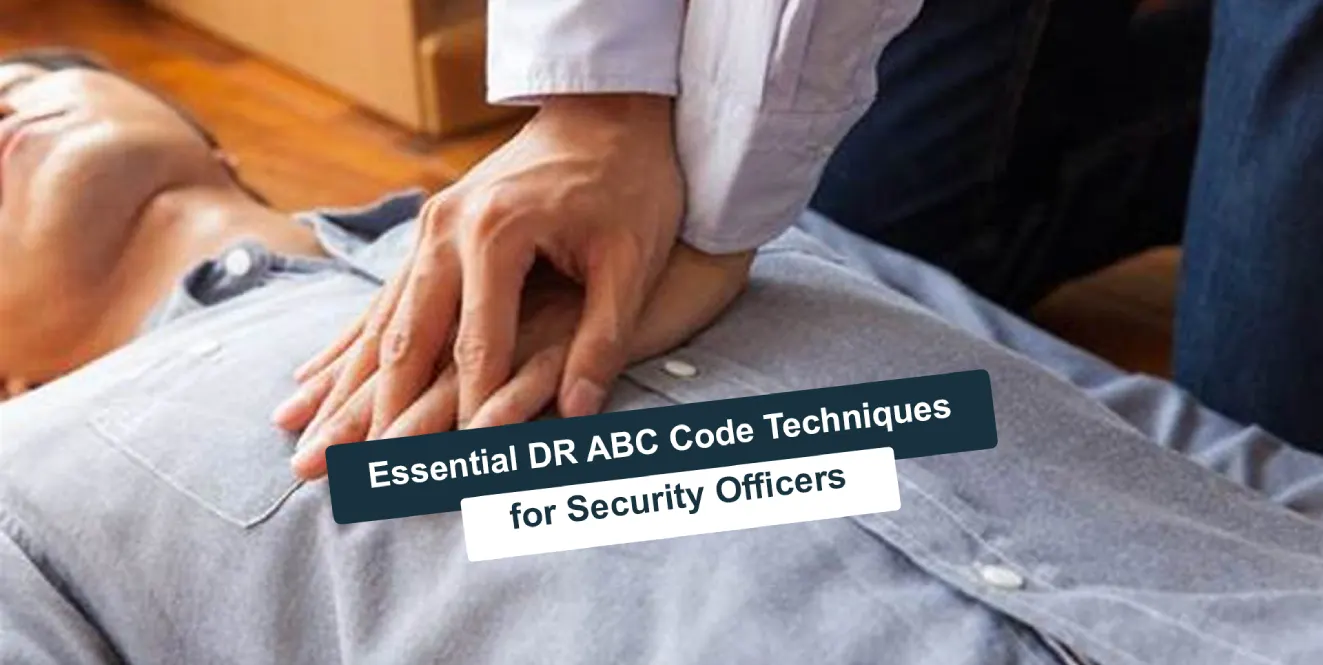
DR ABC for security officers is the primary survey every first aider learns: Danger, Response, Airway, Breathing, Circulation. It is the order you work through when someone collapses, and it is what your Emergency First Aid course teaches. This guide walks through each step and how it plays out at a real incident.
In the world of security, quick and effective response during emergencies can make a significant difference. Security officers are often the first to arrive at the scene, and their ability to handle critical situations is crucial. One of the most important tools in a security officer’s skillset is the DR ABC Code Security, a lifesaving procedure used to assess and manage emergencies. In this blog, we will explore the essential DR ABC Code Security techniques that every security officer should master.
Understanding the DR ABC Code
The DR ABC code is an acronym that stands for Danger, Response, Airway, Breathing, and Circulation. It is a systematic approach used in first aid to evaluate and treat life-threatening conditions. This method is particularly valuable for security officers who need to assess situations quickly and provide immediate assistance.
1. Danger: Assess the Situation
The first step in the DR ABC code is to assess the danger. Before approaching a casualty, security officers must ensure the area is safe for both themselves and the injured person. This may involve checking for hazards such as fire, electrical risks, or potential violence. By securing the scene, officers can prevent further injuries and create a safer environment for everyone involved.
Key Consideration: Always prioritize your own safety. If the situation is too dangerous, call for backup and wait until it is safe to proceed.
2. Response: Check for Responsiveness
Once the scene is safe, the next step is to check if the casualty is responsive. Security officers should gently tap the casualty’s shoulders and speak to them loudly, asking if they can hear or respond. This step helps determine whether the person is conscious and requires immediate medical attention.
Techniques:
- Ask simple questions like, “Can you hear me?” or “Are you okay?”
- Observe any movements or sounds the casualty might make.
- If there’s no response, it’s time to move to the next step.
3. Airway: Ensure the Airway is Clear
If the casualty is unresponsive, the security officer must check and clear the airway to ensure the person can breathe. Tilt the head back gently and lift the chin to open the airway. This action can prevent the tongue from blocking the throat, which is a common cause of airway obstruction.
Important Tip: If the casualty is unconscious but breathing, keep the airway open and monitor their condition while waiting for emergency services.
4. Breathing: Look, Listen, and Feel for Breathing
After ensuring the airway is clear, the next step is to check if the casualty is breathing. Security officers should look for chest movements, listen for breathing sounds, and feel for breath on their cheek. If the person is not breathing or breathing abnormally, it’s crucial to begin CPR (Cardiopulmonary Resuscitation) immediately.
CPR Essentials:
- Start with 30 chest compressions followed by 2 rescue breaths.
- Continue the cycle until emergency medical personnel arrive or the casualty starts breathing normally.
5. Circulation: Check for Signs of Circulation
Finally, check for signs of circulation, such as a pulse, skin color, and any bleeding. If the casualty has severe bleeding, it must be controlled quickly using direct pressure and, if necessary, a tourniquet. Security officers should be trained in basic wound management to handle such situations effectively.
Advanced Care: Once you’ve addressed immediate concerns, keep monitoring the casualty’s condition. If available, use an Automated External Defibrillator (AED) to assist with resuscitation efforts.
The Importance of Regular Training
The DR ABC code is a vital component of a security officer’s emergency response skills. Regular training and drills are essential to keep these techniques sharp and ensure that officers are prepared to act swiftly in real-life scenarios. Security officers should also stay updated on the latest first aid protocols and practices.
Conclusion
Mastering the DR ABC code can make all the difference in an emergency situation. By following this structured approach, security officers can provide immediate and effective care, potentially saving lives. Remember, the key is to remain calm, assess the situation, and act decisively.
For security officers looking to enhance their skills, SIA courses offer comprehensive training in first aid, emergency response, and other critical areas. These courses not only build confidence but also ensure that officers are well-prepared to handle any situation that comes their way.